All Categories
Featured
What Does Why Waiting to Pursue Bankruptcy Counseling Can...
The Main Principles Of How to Contact Fee Waivers and Dis...
Steps for Begin with the 5 Secrets to Reduce Credit Card ...
Some Ideas on Knowing Your Protections in Debt Forgivenes...
More About Required Paperwork When Pursuing A Season of Gratitude: How APFSC Helps Families Thrive : APFSC
Table of Contents
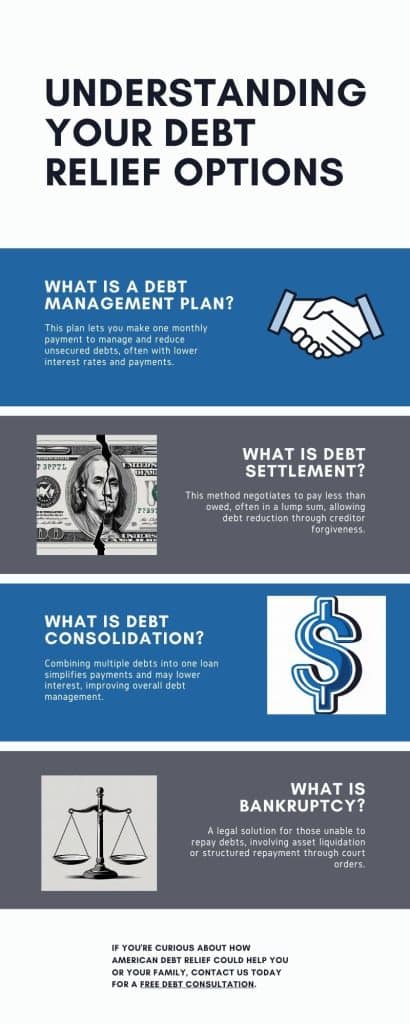
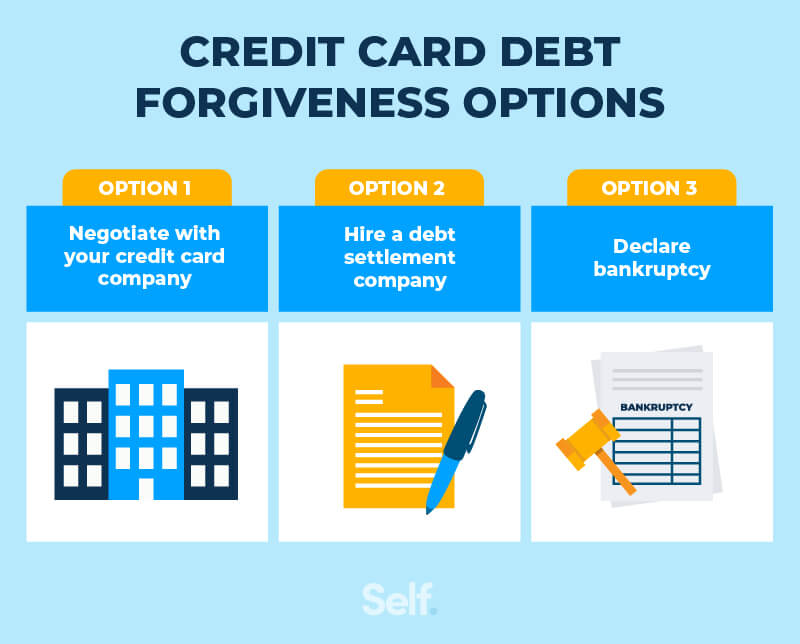
That frees up cash in the short-term, and you may have 3 to four years to save toward the settlement amount. Very harmful to credit history, mainly as a result of missed out on settlements and an adverse "cleared up" mark that might remain on your credit scores report for up to seven yearsMay be just alternative if various other alternatives (financial obligation loan consolidation, balance transfer credit cards, financial obligation mercy) aren't possibleTypically calls for a charge to the 3rd event, which can offset some or every one of the cost savings from debt settlementMay assist you prevent insolvency if you've missed a number of paymentsNot all lenders collaborate with financial obligation settlement business Financial obligation mercy may be best for you if you are experiencing a monetary difficulty that makes it virtually difficult to pay down your financial obligation equilibriums.
With a DMP, you make one monthly repayment to the credit score counseling firm. Those funds are after that distributed to lenders of your unsecured financial obligations, such as charge card and installment financings. The company collaborates with your lenders to lower rate of interest rates or waive charges, but some lenders might decline such concessions.
A debt loan consolidation loan combines your eligible debts into one brand-new financing. It can assist you pay for financial obligation if you're able to safeguard a loan rate that's lower than the ordinary rate of the accounts you're combining. You should refrain from racking up debt on those newly cleared accounts or your debt can expand even higher.

That offers you plenty of time to get rid of or dramatically decrease your equilibrium while making interest-free repayments.
Everything about Inflation and Rising Need for Professional Help
You might need it if your creditor or a debt collector ever before tries to collect on the financial obligation in the future. The letter might show you do not owe what the collection firm's documents reveal. Yes, most of the times, the internal revenue service takes into consideration forgiven financial obligation as gross income. When a lending institution forgives $600 or even more, they are called for to send you Type 1099-C.
Debt mercy or negotiation usually harms your credit score. Anytime you resolve a debt for much less than you owe, it may look like "worked out" on your credit rating report and influence your credit rating for 7 years from the day of settlement. Your credit scores can likewise drop substantially in the months causing the forgiveness if you fall behind on payments.
Little Known Questions About Typical False Beliefs About A Season of Gratitude: How APFSC Helps Families Thrive : APFSC.
Tax debt concession programs Tax financial debt takes place when the quantity of tax obligations you owe surpasses what you have paid. This situation usually results from underreporting earnings, not filing returns promptly, or inconsistencies found during an IRS audit. The consequences of building up tax obligation financial debt are major and can include tax liens, which offer the internal revenue service a lawful insurance claim to your residential property as protection for the financial debt.
Wages and Bank Accounts Internal revenue service can impose (confiscate) wages and financial institution accounts to please the financial debt. Home Seizure In severe instances, the IRS can confiscate and offer residential or commercial property to cover the financial debt.
Clinical depression, anxiousness, and various other psychological health and wellness problems. Social Stigma Encountering legal action from the internal revenue service can lug social stigma. Damages to reputation and partnerships. Work Opportunities A bad credit rating due to tire debt can limit employment chances. Trouble searching for or maintaining a task. Federal government Advantages Tax obligation financial debt may influence qualification for government advantages, such as Social Protection and Medicaid.
Not known Facts About Complimentary Educational A Season of Gratitude: How APFSC Helps Families Thrive : APFSC Resources for Individuals
The OIC considers a number of variables, consisting of the taxpayer's income, costs, asset equity, and capacity to pay. Efficiently bargaining an OIC can be intricate, requiring an extensive understanding of the IRS's guidelines and a strong debate for why your offer aligns with your ability to pay. It is essential to note that not all applications are accepted, and the process needs comprehensive financial disclosure.
The IRS analyzes your overall economic situation, including your revenue, costs, property equity, and capability to pay. You must likewise be existing with all filing and repayment requirements and not be in an open personal bankruptcy proceeding. The IRS additionally considers your conformity background, evaluating whether you have a record of timely declaring and paying tax obligations in previous years.
What A Season of Gratitude: How APFSC Helps Families Thrive : APFSC Usually Charge Can Be Fun For Everyone
The application procedure for a Deal in Concession involves a number of detailed steps. First, you should complete and send internal revenue service Kind 656, the Deal in Concession application, and Kind 433-A (OIC), a collection details statement for individuals. These kinds need detailed financial details, consisting of details about your revenue, financial obligations, expenditures, and assets.
Back tax obligations, which are overdue tax obligations from previous years, can considerably boost your complete IRS financial debt if not attended to immediately. This financial obligation can accrue passion and late repayment penalties, making the initial amount owed a lot bigger over time. Failure to repay tax obligations can cause the IRS taking enforcement activities, such as providing a tax obligation lien or levy versus your home.
It is necessary to attend to back tax obligations asap, either by paying the full amount owed or by organizing a layaway plan with the internal revenue service. By taking proactive actions, you can prevent the build-up of additional interest and charges, and avoid more hostile collection activities by the IRS.
One common factor is the belief that the taxpayer can pay the complete amount either as a round figure or with a repayment plan. The IRS additionally thinks about the taxpayer's income, costs, property equity, and future earning potential. If these aspects indicate that the taxpayer can manage to pay more than the used quantity, the IRS is most likely to deny the offer.
How Complimentary Accessible A Season of Gratitude: How APFSC Helps Families Thrive : APFSC Resources That Help Individuals can Save You Time, Stress, and Money.
It is important to supply exact and full details in your application and to speak with a tax specialist to improve the possibilities of approval. Taking care of IRS financial debt can be complex and overwhelming. Tax professionals, such as Certified public accountants, tax obligation attorneys, or enlisted agents, can offer important help. They have the competence to navigate the intricacies of tax law and IRS treatments.

Table of Contents
Latest Posts
What Does Why Waiting to Pursue Bankruptcy Counseling Can Cost You Do?
The Main Principles Of How to Contact Fee Waivers and Discounts for Bankruptcy Counseling: Who Qualifies? Experts Now

Steps for Begin with the 5 Secrets to Reduce Credit Card Debt Effectively : APFSC Process - Truths
More
Latest Posts
What Does Why Waiting to Pursue Bankruptcy Counseling Can Cost You Do?
The Main Principles Of How to Contact Fee Waivers and Discounts for Bankruptcy Counseling: Who Qualifies? Experts Now
Steps for Begin with the 5 Secrets to Reduce Credit Card Debt Effectively : APFSC Process - Truths